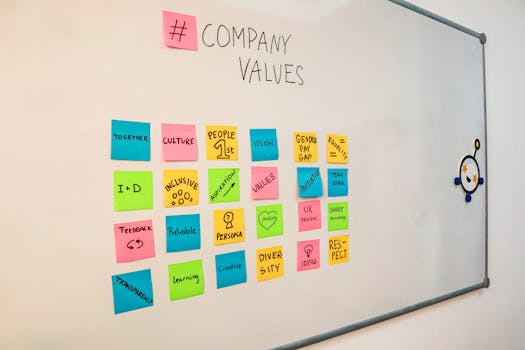
When coworkers brainstorm together by a whiteboard, real breakthroughs can happen. Workplace collaboration turns many voices into a creative force and keeps fresh ideas flowing naturally.
Approaching challenges as a team lets every member contribute their insights. This makes the final result stronger and supports a culture of respect, spontaneity, and inventive solutions for all.
Read on to discover how intentional workplace collaboration shapes innovation, energizes teams, and turns daily interactions into real long-term advantages you can use at work.
Clear Communication Ushers in Creative Results
Consistent communication transforms feedback from static to dynamic. Employees build trust, making idea-sharing routine and removing friction that slows innovation within the team environment.
True progress unfolds when colleagues use open dialogue: “Let’s try combining both concepts,” triggers enthusiasm, paving the way for inventive ideas rooted in workplace collaboration best practices.
Crafting Feedback That Boosts Ideation
When a team member explains their idea, thoughtful colleagues ask clarifying questions. For example, “Can you show how that would look on a real project?” opens new possibilities.
Colleagues notice if reactions become defensive; they practice nodding, listening, and paraphrasing back. This signals respect, fosters trust, and brings more ideas to each meeting.
Try saying, “That’s interesting—what if we blended this with what Alex mentioned last week?” to keep conversations collaborative and focused on forward progress.
Active Listening Cues to Drive Engagement
Leaning slightly forward, making gentle eye contact, and jotting down ideas while another speaks reflect real, engaged listening that values the group’s lived experience.
Sentences like, “I hear what you’re saying about prioritizing budget” show the speaker their points matter. This encourages deeper contributions during workplace collaboration sessions.
Use action phrases, such as, “Let me try mapping your idea,” to turn listening into action and keep meetings energetic, productive, and ready for unexpected innovation.
| Communication Approach | Team Reaction | Outcome for Collaboration | Next Step |
|---|---|---|---|
| Open Question | Engaged faces, more ideas shared | Boosts overall morale and idea quality | Encourage open-ended prompts in all project meetings |
| Clarifying Summaries | Reduced misunderstandings | Smoother workflow and fewer reworks | Briefly recap before taking action |
| Closed Feedback | Unease, less participation | Stalls new ideas from surfacing | Invite rephrasing and reassurance |
| Written Updates | Teams follow details | Boosts accountability and transparency | Send digest emails after collaborative sessions |
| Praise in Public | Visible motivation and smiles | Normalizes sharing and collective risk-taking | Recognize contributions at daily huddles |
Practical Collaboration Rituals Fuel Rapid Progress
Deliberate habits like daily stand-ups and clear documentation keep everyone aligned. Rituals create structure, letting teams experiment without losing focus on goals and deadlines.
For workplace collaboration to stick, managers and employees support and revisit new habits until they become second nature, creating an environment where creative risks feel safe and expected.
Setting Up a Collaboration-Friendly Rhythm
Morning check-ins get everyone on the same page and surface stumbling blocks fast. Hearing each teammate say, “Today I’m tackling ___,” clarifies who’s doing what right now.
Weekly brainstorms invite wild ideas no matter hierarchical rank. Every suggestion is greeted with a nod or curious follow-up—no scoffing, no dismissive glances allowed at the table.
- Schedule a Monday intention round to clarify project focus for all hands and drive motivation.
- Share wins and lessons learned during Friday wrap-ups to reinforce a transparent workplace collaboration environment.
- Limit meetings to a set agenda; this prevents digressions and gives every voice a spotlight during core parts of discussions.
- Encourage real-time chats over static email when urgency is needed, keeping issues from bottlenecking critical progress.
- Create rotating facilitators for meetings to stimulate buy-in and leadership potential across all staff levels.
Try introducing one new ritual at your very next team session to start building momentum.
Documenting Ideas Drives Shared Accountability
Assign a “scribe” for brainstorms—one person captures ideas live, visible to all, signaling value to every participant. This simple move turns fleeting sparks into actionable points.
- Establish one place, like a shared whiteboard or digital board, for ongoing idea tracking, so progress never gets lost in old email threads.
- Color-code new ideas by stage: just proposed, in testing, or ready to implement, for instant clarity about where things stand at a glance.
- Tag responsible team members next to each idea. Personal ownership turns workplace collaboration from a buzzword to a visible, lived process all week.
- Leave room for anonymous suggestions. Sometimes the boldest ideas land best when not tied to a name at first.
- Review top items monthly; retire old ideas but celebrate follow-through to make momentum obvious for new and existing staff.
The first time you document this way, let everyone know feedback shapes which ideas move ahead—collaboration means every viewpoint counts.
Cross-Disciplinary Interactions Ignite Originality
Bringing together people from marketing, technology, and design creates unique solutions that purely technical or creative teams miss. Varied perspectives lay the foundation for smart, unexpected innovation.
Think of it as mixing colors on a palette. Each skill set is a new hue. With each blend, the picture—your outcome—gains depth, vibrancy, and real-world power.
Fast-Track Innovation with Department Swap-Ins
Invite a sales rep to join a product meeting. They say, “Customers keep mentioning this feature,” which sparks changes engineers would never discover alone.
Schedule short, rotating guest appearances at team reviews. This routine builds comfort and shared language, making workplace collaboration instinctive and ongoing by design.
Follow up with, “Thanks for those field insights! We’ll prototype a solution.” Show gratitude for out-of-department views to reinforce the value of fresh thinking.
Checkpoints: Bridging Silos With Shared Wins
Quarterly demos where each team briefly presents a highlight make cross-discipline learning tangible. Engineers showcase something new; marketing shares what customers loved this quarter.
Teams hear real success stories: body language—leaning forward, quick notetaking—signals excitement. Ask, “Which process from another team could we pilot here?” for targeted workplace collaboration boosts.
Document a single action step after each checkpoint: “Try integrated dashboard by next Monday.” Real deadlines help great ideas survive after the meeting ends.
Inclusive Habits Enrich Collaboration Outcomes
Teams get smarter and more agile when everyone’s perspective is factored in. Inclusion isn’t just kindness—it’s practical, fueling broader idea pools that drive business and personal growth.
Real workplace collaboration welcomes quieter voices at the table. Simple routines ensure that input from every corner becomes the lifeblood of every project’s creative momentum.
Rotating Input Ensure Fairness and Engagement
Assign a different team member to kick off each meeting. Fresh leadership keeps conversation patterns from falling into grooves and spotlights voices that are rarely first to speak.
Sample sentence: “Today, Gina, start us off!” Even one surprise lead can shift the conversation’s entire shape and direction, pushing past habitual thinking and opening room for novelty.
Switching facilitators each month keeps collaboration practices visible and gives all team members firsthand experience managing the group dynamic.
Guided Rounds Bring Out Hidden Perspectives
Set a hard rule that meetings end only when every member has offered one comment or suggestion. Even brief contributions unlock overlooked risks, features, or alternative solutions.
If someone runs blank, prompt with, “If you had to tweak one thing, what’s smallest change you’d make?” This makes contributing stress-free and routine for all personalities.
Many teams find written prompts help. Pass around cards with, “Offer a new angle,” or “Link two ideas.” These tools nudge everyone to be part of collaborative breakthroughs.
Modeling Collaborative Behaviors Ensures Lasting Change
When leaders and veterans invite, “Take two minutes: challenge my idea!” it signals safety and sets a confident example. Teams mirror this behavior, normalizing curiosity and openness daily.
Leadership reads the room for signs—hesitation, silence, or repeated ideas. Proactive leaders ask: “Who haven’t we heard from yet?” to break the spell and re-energize sessions.
Feedback Loops Cement Collaborative Habits
Use stand-ups to ask, “Did yesterday’s experiment work?” This habit shortens the gap between planning, execution, and results, fueling innovation momentum.
Collect quick poll feedback—red, yellow, green cards—after team sprints. See which approaches energize or stall your workplace collaboration routines, adjusting in real-time.
Embed a five-minute “next step” block at every agenda’s close. State: “Let’s each take one new action by Wednesday and recap progress together next week.” This transforms talk into shared progress.
Reinforcement and Rewards Lock in Change
Public acknowledgment matters. Give out small awards for best collaborative breakthrough: a lunch, a shoutout at all-hands, or letting the winner pick their next project slot.
Peers nominate each other for creative risks, sending the signal that risk-taking and teamwork are both expected and rewarded under workplace collaboration standards.
Solicit stories at month’s end: “Tell us about a time collaboration made your job easier.” Celebrate these moments publicly to shape culture and reinforce lasting, visible habits.
Collaboration Technologies Streamline Collective Innovation
Workplace collaboration becomes frictionless thanks to tools like shared docs, virtual rooms, or project boards. Choosing the right tech turns remote or hybrid teams into tight, creative units.
Deploy easy-to-learn software so team members spend energy on solutions, not troubleshooting. Simple systems let ideas move as freely as conversations around a conference table.
Rationally Selecting the Right Toolset
Start by mapping your needs: Do you need real-time brainstorming or asynchronous review? The right answer depends on team size, speed, and feedback sensitivity.
If your group struggles to keep track, prioritize visual tools such as Kanban boards or Miro. They give a “see everything at once” view—easy for managers and team members alike.
Scenario: “We were losing track of feedback. After we switched to a shared Trello board, everyone got regular updates without hunting through old emails.” Adoption picked up instantly.
Everyday Actions That Sustain Innovation Over Time
Innovation isn’t a single event—it’s a rhythm. Real workplace collaboration lives in repeated, simple actions that, when practiced daily, build long-term results and team trust.
Small habits—daily check-ins, learning sessions, post-mortems—become shorthand for shared momentum. Practice turns fleeting energy into entrenched culture, so teams grow stronger, not stagnant.
- Share unfinished work instead of only polished results to invite feedback early, ensuring that ideas improve and blockers are spotted before time is wasted.
- Cultivate failsafe language: say, “This is rough, but I’d like your input,” so team members feel safe to try and adjust, not hide mistakes until too late.
- Create learning swaps: host ten-minute “teach a tool” demos at lunch, exposing the whole team to new insights and hands-on evolution, fueling organic growth.
- Rotate responsibility for meeting agendas and note-taking, teaching leadership and building a culture of shared ownership across every core process.
- Log visible milestones in communal channels; regular recognition keeps everyone’s eye on long-term goals, bolstering morale through concrete workplace collaboration evidence.
Collaboration Cultivates Continuous Workplace Innovation
Strong workplace collaboration isn’t luck. It’s a conscious process of communication, inclusive habits, cross-discipline mingling, and daily rituals. Each element layers in long-term creativity and results.
Intentional team practices elevate ideas from individual insights to collective solutions. Over time, these behaviors transform organizations, giving teams tools to rapidly adapt and create real value.
To start improving workplace collaboration, pick one habit from above and introduce it tomorrow. Move from idea to action, and watch your workplace’s innovation and productivity rise, step by step.