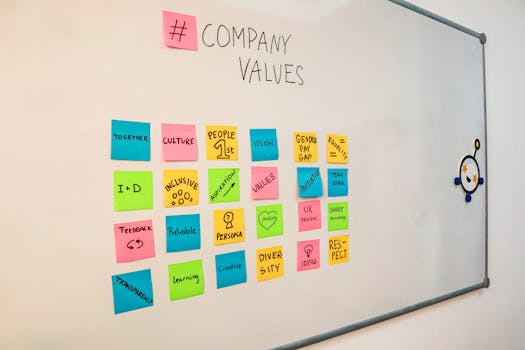
Every team notices the quiet force behind steady, reliable performance. People spot diligence, especially when someone displays a strong work ethic during routine tasks and challenges alike.
Showing consistent commitment doesn’t just earn respect. It opens doors to new projects, greater trust, and more opportunities for career growth in any workplace setting or field.
This article lays out actionable methods, examples, and checklists that help cultivate a strong work ethic. Explore practical ways to boost your reliability and daily impact.
Adopting Daily Discipline Shapes Your Professional Reputation
Turning self-discipline into a habit makes reliability visible. Regular routines, not just big efforts, are the secret to building a strong work ethic others recognize instantly.
Block time for tough tasks, avoid distractions, and keep micro-commitments. Short decisions add up quickly, setting a rhythm others can see and count on every day.
Increasing Focus with Boundaries
Post a visible sign when working on high-priority tasks: headphones on, or a status-light at your desk. This sends a clear cue that you value focused effort.
Sticky notes or digital calendar blocks can reinforce the habit and help you stay dedicated to important projects, promoting a strong work ethic through consistent routines.
One manager shared, “When you commit to 30 phone-free minutes, productivity doubles.” Adopt this tip and notice how it clarifies both priorities and expectations.
Creating Routines for Consistency
Start each morning by reviewing your three core goals aloud. This vocal ritual increases personal accountability and ensures you tackle priorities, not just busywork.
Pair new habits with existing cues—for example, read emails only after drafting your top task list. Linking habits smooths transitions and keeps a strong work ethic front and center.
When you spot resistance—like stalling before a report—begin with two-minute bursts. This approach lowers barriers, helping you cross the hardest mental threshold.
| Action | What It Looks Like | When to Use | What To Do Next |
|---|---|---|---|
| Block distractions | Silence phone, close extra tabs | During deep work | Set a 20-minute timer and check progress |
| Use visible signals | Headphones, calendar sign | Busy work periods | Let your team know your focus window |
| Habit stacking | Pair email with coffee break | Daily start-up | Automate sequence for less hesitation |
| Micro-tasking | Work in 2-5 minute chunks | When stalled | Increase intervals gradually each day |
| Vocalize goals | Speak priorities each morning | Day’s start | Check off as you finish |
Delivering on Promises Builds Trust Fast
Following through sets high achievers apart. Each time you meet a deadline without excuses or flag a challenge early, your strong work ethic becomes unmistakable to colleagues and managers.
Use short check-ins to update your team honestly. Treat your own timeline like a contract, matching your words with visible action and transparent progress reports.
Tracking Commitments With Clarity
Update a running list of daily promises in your preferred note-taking app. Mark deadlines and outcomes, adjusting methods when obstacles appear. Review this list each Friday.
Take notes after missed deadlines. Write out why you slipped—”too many meetings” or “unclear requirements.” This review habits sharpens accountability and drives improvement.
- Finish projects by the agreed due date and share completion with your manager as soon as possible. This sets a visible standard of consistency for a strong work ethic.
- Let teammates know immediately if your timeline shifts, offering a brief cause and a new realistic commitment. Clear updates minimize disruption and show reliability.
- Write tasks as visible micro-steps—such as “outline presentation slides before noon”—so you can check off progress and reinforce momentum.
- Celebrate task completions by logging results publicly in shared apps or on a visible chart. Others will notice and trust your delivery record.
- Debrief with a mentor when you miss a goal. Get their honest view and a corrective step for the next week, building accountability into your workflow.
Tracking these behaviors turns good intentions into a strong work ethic others rely on again and again.
Making Adjustments After Setbacks
Change routines the moment you spot repeated delays. Swap morning email checks for short, early project sprints to lock in a proactive mindset.
Check your task list for unneeded extras weighing you down. Prioritize necessary actions to make your core goals visible and actionable daily.
- Set daily reminders for key milestones and give yourself five minutes to review progress before logging off. This repetition cements habits essential for strong work ethic.
- After feedback, realign tasks to address what matters most to your team. Remove optional extras that hide true priorities.
- Assign an “accountability buddy” and email them about your daily aim. Public statements hardwire intent into action and boost follow-through.
- Distinguish between “nice to do” vs. “must do” by color-coding your planner, keeping a clear focus on what’s truly essential.
- Revisit your end-of-week performance and adjust your approach based on what hindered you, making sure not to repeat unproductive routines.
Each change you make hones a strong work ethic that grows stronger every time you adapt.
Taking Visible Action Inspires Peers to Aim Higher
Demonstrate strong work ethic by initiating team cleanups, volunteering for new assignments, or helping resolve confusion before it grows. People notice those who quietly fix issues, not only point them out.
Handling Difficult Choices Transparently
Admit mistakes directly—”I missed the target on this edit.” Outline your fix, then apply it immediately. Others respect a solution mindset, not just the admission.
Propose a revised deadline or deliverable. Honesty plus a new solution embodies strong work ethic and encourages trust from teammates, managers, and clients every time it’s practiced.
Track your changes openly, using shared files or project notes, so everyone stays informed and watches your integrity in action rather than hearing empty reassurances.
Going the Extra Mile in Team Settings
Be the first to volunteer when an extra hand’s needed at an event, during a deadline crunch, or in off-hours. This direct action communicates commitment far more than words alone.
Offer to document discussions after meetings. An accurate recap saves everyone time and demonstrates your investment. “I’ll type up and share by 3 p.m.,” models reliability.
Share obstacles in open forums: “I’m running into blockers,” then quickly request specific help. Others will value your transparency and are more apt to reciprocate.
Receiving and Applying Feedback Elevates Long-Term Results
Strong work ethic includes regularly seeking feedback, viewing it as a roadmap rather than criticism. Review input right away and adjust techniques, tracking tangible improvement each quarter.
When you act on feedback, describe the change. “I’m now sending schedule reminders twice a week as suggested.” This signals your openness and dedication to personal progress.
Transforming Suggestions Into Results
Ask colleagues for examples: “Can you show me how you formatted those slides?” Then practice with that template next time, crediting the tip to its source.
Compile feedback themes in a spreadsheet. Review trends quarterly, note concrete action steps, and set future goals so growth remains visible to all.
Record one lesson weekly in a feedback journal. Over time, this creates a step-by-step reference for refining your daily routines and supporting your strong work ethic.
Matching Personal Drive With Organizational Success Pays Off
Align your personal aspirations with team milestones. When priorities match, your enthusiasm and strong work ethic motivate everyone—even during setbacks or high-stress phases of a project.
Share your career ambitions during one-on-ones, then link them with present assignments. This turns daily output into steps toward your desired future.
Contributing to Bigger Picture Results
Relate your daily responsibilities to team output: “My reports help leaders plan for the whole department.” This connects individual strong work ethic to broader wins, not just personal gain.
Volunteer for cross-department initiatives. Say, “I’d like to see how our work fits with Operations.” Visibility fosters learning, deepens relationships, and demonstrates your commitment to company success.
Present monthly on what your group delivered and how you contributed. This public recognition multiplies the impact of each person’s consistent effort.
Responding to Challenges With Perseverance Strengthens Reputation
Display strong work ethic by showing up with the same focus during rough weeks as you do when everything’s easy. Grit reveals itself in how you handle slow progress and unexpected shifts.
Keep emotional energy steady by enlisting a cheerleader—a colleague or mentor who texts, “Just saw your update—great job pushing through.” Small morale boosts preserve momentum after setbacks.
Resilient Language and Actions During Stress
Say, “Here’s what I’ll try next,” instead of “I’m stuck.” Forward language sets a problem-solving tone and encourages others to keep searching for solutions collaboratively.
Shake off mistakes using physical cues—get up, stretch, and restart your work timer. Moving resets your focus, keeping your effort steady for the next push.
Log obstacles in a “challenge tracker” each Friday and share hard-won lessons with your team the following week. This models resilience and helps create a solution-focused culture.
Tiny Habits Built Over Time Guarantee Lasting Change
Small adjustments, repeated daily, make your strong work ethic unmissable. Each morning review, on-time delivery, or team check-in plants roots that support visible, lasting consistency.
Link every success with reinforcement. High-five yourself after nailing an email deadline. Mark quick wins on a chart. Each celebration rewards reliability and trains stronger habits.
- Set a recurring alarm for a “habit review” at the day’s end, ensuring you check off each key behavior and make corrections immediately when something slips.
- Pair a new commitment with an existing habit, such as “add feedback notes every day before logging off.” This makes new routines stick faster and supports strong work ethic without extra effort.
- Explicitly thank colleagues after team wins. Stating “I appreciate how you handled that deadline” amplifies small wins and encourages others to emulate strong, consistent behaviors.
- Keep an accountability notebook on your desk. When you see it daily, you’re prompted to review goals and next actions, which boosts follow-through rates.
- Each Friday, share a quick summary of your week’s wins and obstacles. Simple self-reflection cements learning and models responsibility for your team.
Practicing Consistency Builds Confidence and Sustains Growth
A strong work ethic isn’t an overnight transformation. It’s a steady, visible collection of daily choices—habits, follow-through, feedback, and resilience—that shape perception and invite new roles.
As you act on these steps, you’ll inspire others to do the same. Small, daily observable efforts ripple out, transforming teams as much as individuals over time.
Continue investing in these practical routines. Every reliable promise, honest update, and micro-improvement strengthens your reputation, accelerates growth, and deepens satisfaction in your work.